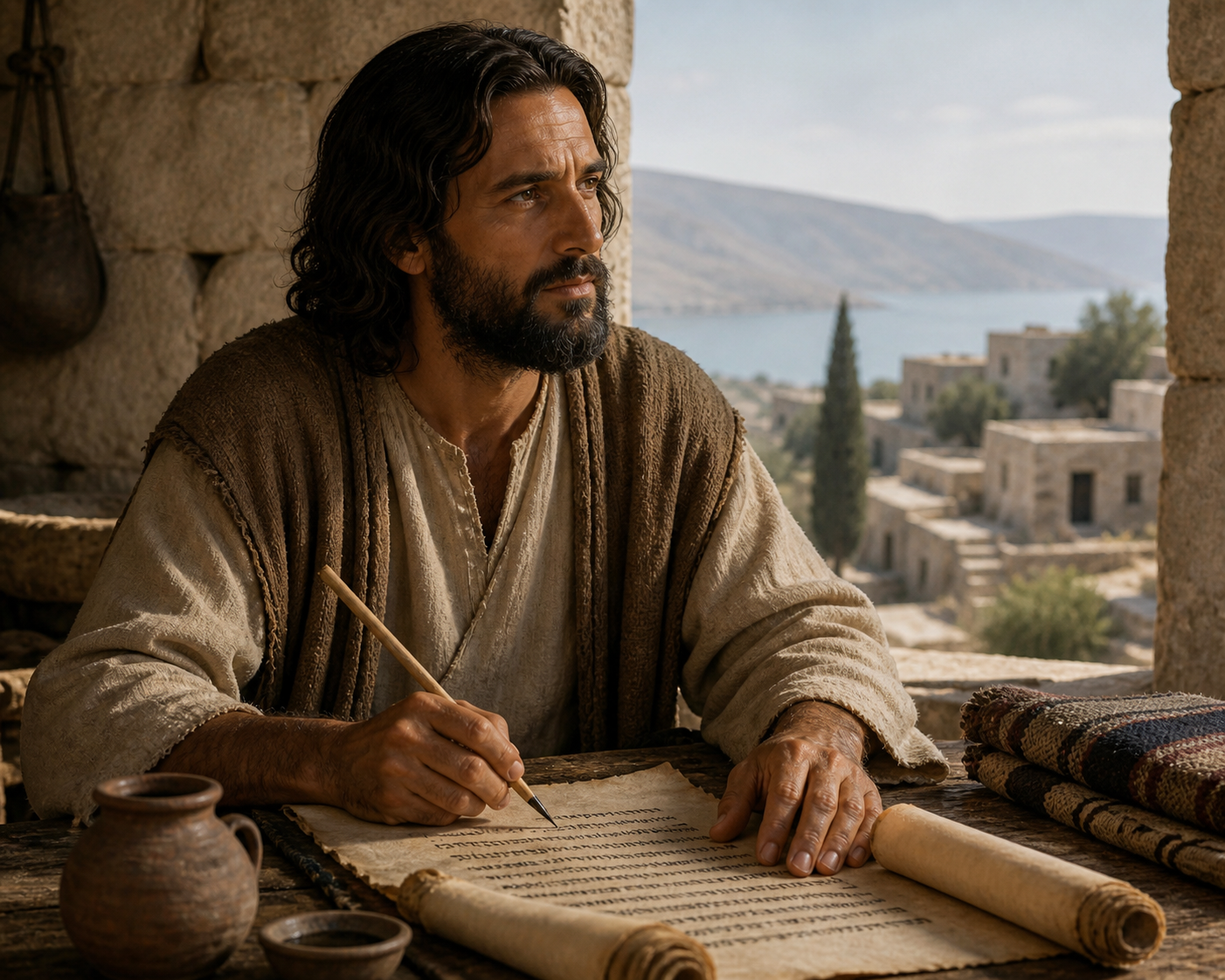
1 Corinthians 1 begins by establishing identity. Paul describes himself as “called” (klētos), not self-appointed, and refers to the people in Corinth as those who are “set apart” (hēgiasmenois) and “called” (klētoi). The emphasis is on purpose and alignment rather than status. He acknowledges that they are strong in speech (logos) and knowledge (gnōsis), but this becomes the backdrop for the issue he is about to address.
The central problem is division. The term schismata points to real fractures forming within the group. People are attaching themselves to different leaders and defining their identity by those associations. Paul cuts through this by asking whether Christ has been divided. The point is direct: the source is one, so the fragmentation is misplaced. The focus has shifted from what matters to who people are aligning themselves with.
He then downplays his own role, especially in baptizing, to make it clear that the mission is not about building personal followings. He also rejects reliance on sophia logou, polished or persuasive speech. His concern is that style can overshadow substance, draining the message of its weight. The focus is meant to stay on the core message, not the delivery.
This leads into a contrast in how the message is received. The word mōria, meaning “foolishness,” describes how it appears to some, while dynamis, “power,” describes how it is experienced by others. The difference is not in the message itself but in how it is perceived. The Greek suggests an ongoing process, not a fixed state, showing that people are continually moving toward one response or the other.
Paul then addresses expectations. Some look for signs (sēmeia), others for intellectual depth (sophia). Instead, the message centers on what seems like a contradiction: strength revealed through weakness. For some, this becomes a stumbling block (skandalon). For others, it becomes the point where clarity begins.
He reframes how value is measured. What is considered weak, low, or insignificant is often where real substance is found. He points to the people themselves as evidence. Not many came from positions of influence or recognition, yet they are part of what is unfolding. This removes any basis for comparison or self-promotion.
The conclusion is straightforward. What matters does not originate from human effort alone. The source provides what is needed—wisdom, alignment, and restoration. Because of that, there is no room for boasting in status or ability. Any confidence is grounded in connection to the source, not in personal achievement.
At its core, the chapter calls for clarity. It pushes back against identity built on labels, personalities, or appearances and redirects attention to what is real and enduring.