Some people only discover what controls them after everything starts falling apart.
That is the atmosphere underneath Philippians 1.
Paul is writing from prison, yet the letter feels strangely unafraid. Not optimistic in a shallow way. Stable. Focused. Almost unsettlingly calm for someone sitting inside an imperial detention system.
Most people assume pressure reveals weakness.
Historically, pressure often reveals allegiance.
The Greek text shows Paul repeatedly framing suffering not as an interruption, but as an exposure. Prison exposed which believers were courageous, which leaders were motivated by ego, and which identities were built entirely on external stability.
That pattern never disappeared.
Modern systems still depend heavily on fear-based compliance:
fear of exclusion,
fear of financial instability,
fear of reputation loss,
fear of losing access,
fear of becoming socially isolated.
Once fear becomes the primary organizing force inside a culture, institutions gain enormous behavioral leverage over populations.
Paul quietly breaks that mechanism.
His statement:
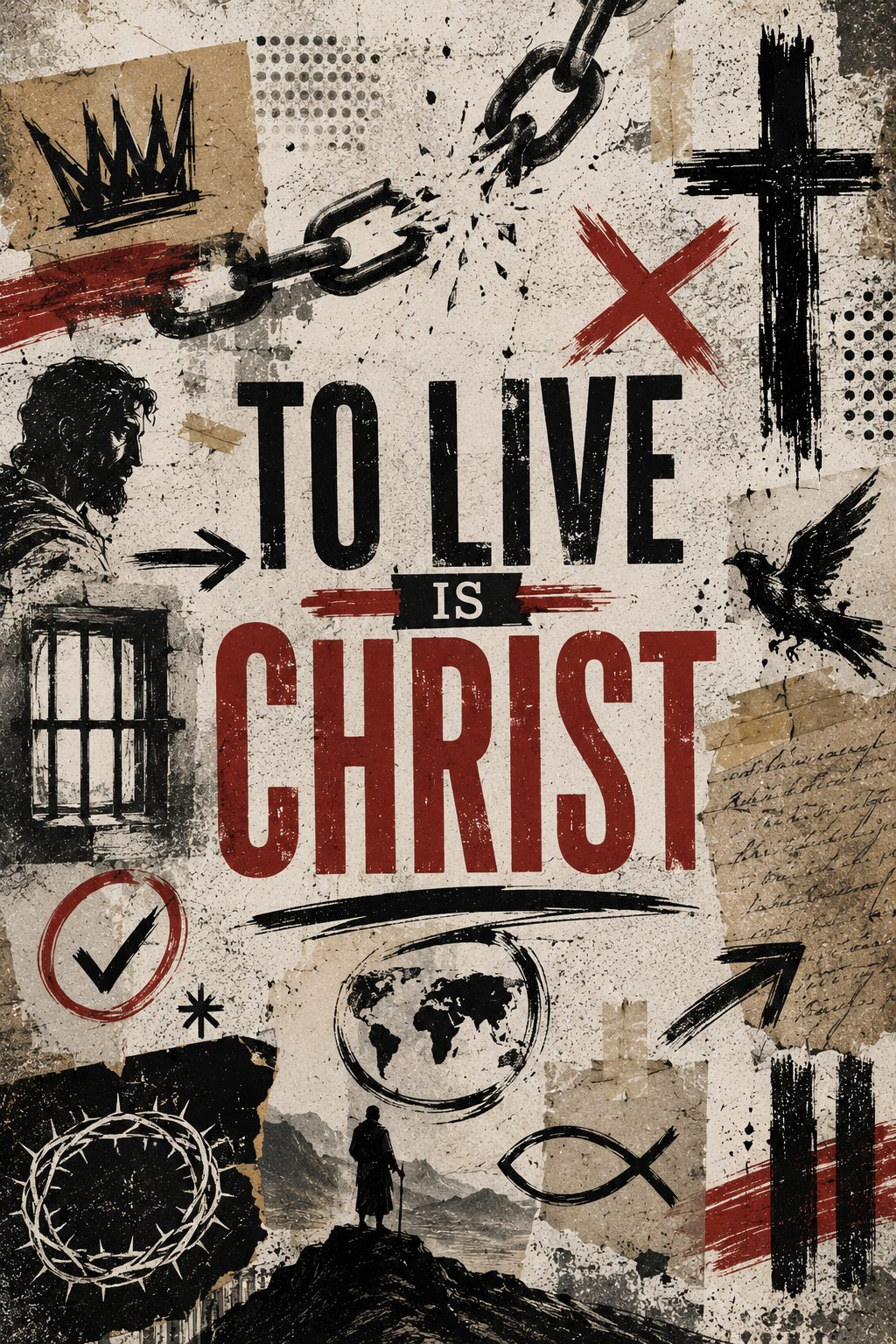
“To live is Christ.”
In Greek reads almost like a stripped-down identity formula. Short. Severe. Total.
The unsettling implication is that systems lose power when survival stops being a person’s highest value.
That does not make someone reckless.
It makes them difficult to manipulate.
You can see versions of this tension everywhere now.
Employees are staying silent to protect their income.
Public figures carefully manage perception.
Institutions prioritizing optics over trust.
Communities are fragmenting under pressure because shared purpose disappeared long before conflict became visible.
Philippians 1 keeps returning to one uncomfortable reality:
fear spreads socially,
But courage does too.
Paul says his imprisonment made others bolder. Human behavior is contagious inside stressed systems. One person absorbing pressure without collapsing can destabilize fear itself.
That may be one reason institutional trust feels so fragile across modern society.
People are watching carefully now.
Not just for competence.
For integrity under pressure.
Because deep down, most people already know stability built entirely on comfort rarely survives contact with crisis.