The world is not divided between good people and bad people.
It is divided between competing visions of reality, each convinced it sees clearly.
Most people already believe they have the truth. Nations believe it. Religions believe it. Political movements believe it. Ideologies believe it. Individuals believe it.
That is why human conflict rarely feels irrational from the inside.
People usually do not think they are destroying the world.
They think they are saving it.
The deeper problem is not simply disagreement.
It is inconsistent.
Human beings often fail to live according to the very principles they publicly defend.
People praise compassion while acting cruelly.
They demand honesty while manipulating others.
They speak about freedom while controlling everyone around them.
The fracture is not only ideological.
It is behavioral.
And history reveals something even more uncomfortable:
If every person fully lived out what they sincerely believed, the world would not automatically improve.
Some beliefs produce stability, wisdom, and human flourishing.
Others produce violence, division, and destruction.
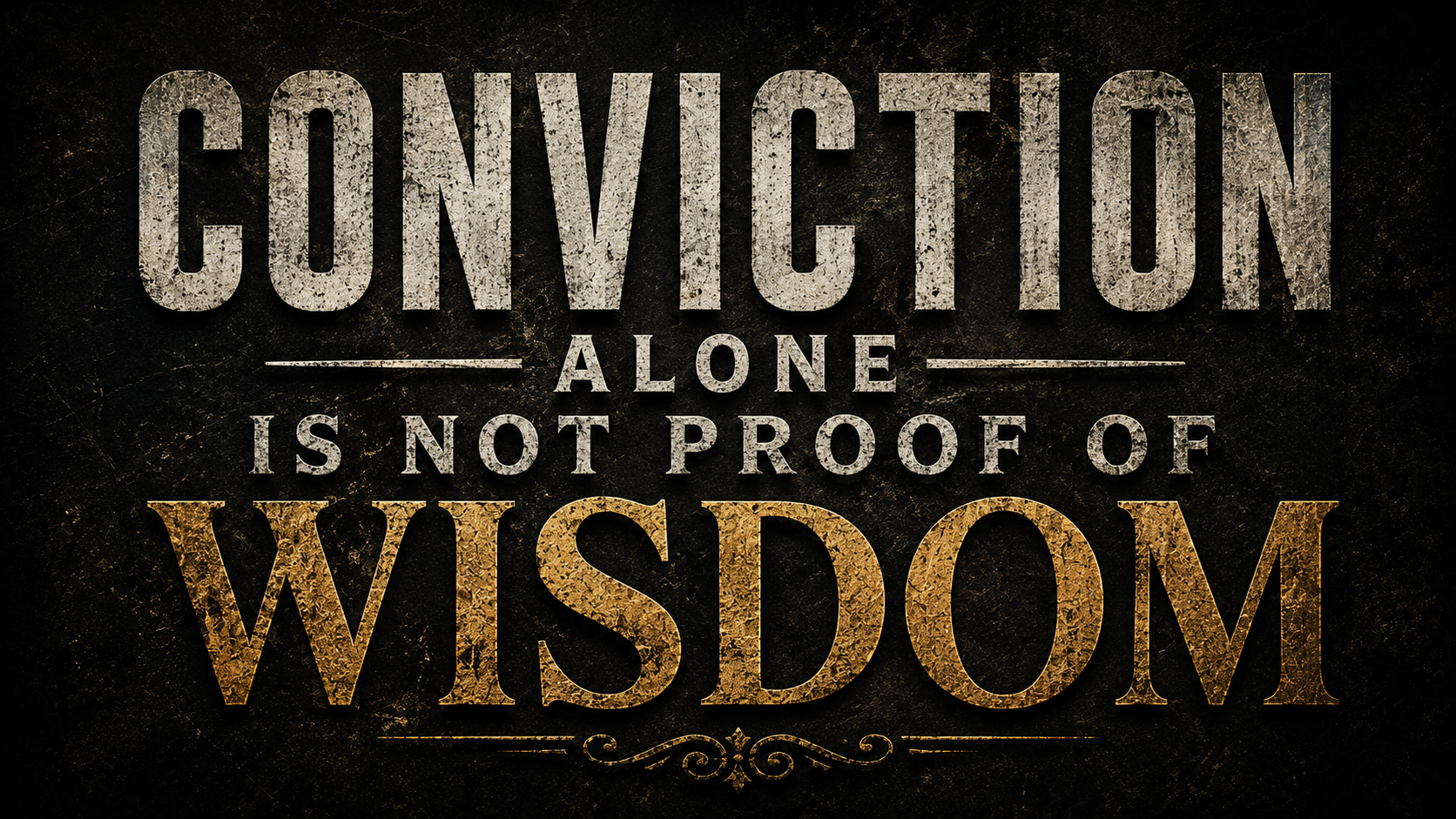
Conviction alone proves nothing.
A person can be absolutely sincere and still become dangerous.
That is why societies continuously wrestle with a deeper question underneath politics, religion, culture, and identity:
Not merely,
“Should people live their truth?”
But,
“What kinds of truths still produce human flourishing when fully practiced?”
That question never really goes away because civilizations rise and collapse depending on how they answer it.